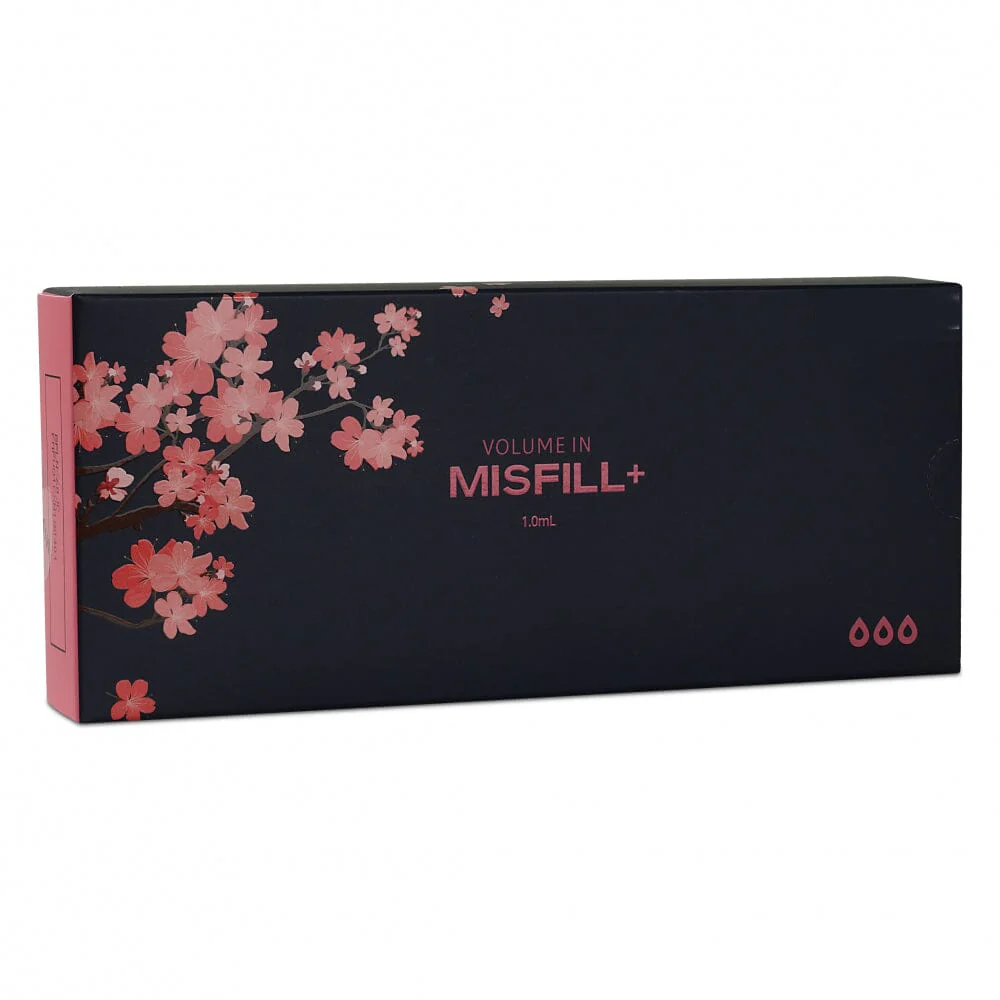
MISFILL VOLUME
MISfill volume can be defined as the difference between the intended fill volume and the actual fill volume. It can occur due to various reasons such as equipment malfunction, human error, or inconsistencies in material properties. For example, if a bottle is supposed to contain 500 mL of liquid but only contains 480 mL after filling, the MISfill volume would be 20 mL.
Step 2: Importance of Measuring MISfill Volume
Measuring MISfill volume is crucial for several reasons:
-
Quality Control: Ensuring that products meet specified fill volumes is essential for maintaining quality standards. Underfilled products may lead to customer dissatisfaction and potential legal issues.
-
Regulatory Compliance: Many industries are subject to regulations that mandate accurate labeling and filling practices. Non-compliance can result in fines or product recalls.
-
Cost Efficiency: Understanding and minimizing MISfill volumes can lead to reduced waste and improved profitability by optimizing material usage.
Step 3: Methods for Measuring MISfill Volume
There are several methods used to measure MISfill volume:
-
Weight Measurement: By weighing filled containers before and after filling, manufacturers can calculate the actual fill volume based on the density of the liquid.
-
Volume Measurement Devices: Automated systems equipped with flow meters or level sensors can provide real-time data on fill volumes during production.
-
Sampling Techniques: Random sampling of filled containers allows for statistical analysis of fill volumes across a production batch.
Step 4: Strategies for Reducing MISfill Volume
To minimize MISfill volumes, companies may implement several strategies:
-
Regular Equipment Maintenance: Ensuring that filling machines are regularly serviced can prevent malfunctions that lead to incorrect fills.
-
Employee Training: Proper staff training involved in the filling process helps reduce human errors that contribute to misfills.
-
Process Optimization: Analyzing and refining filling processes through techniques like Six Sigma can help identify inefficiencies leading to misfills.
-
Use of Technology: Implementing advanced technologies such as automated filling systems with feedback loops can enhance accuracy in dispensing liquids.
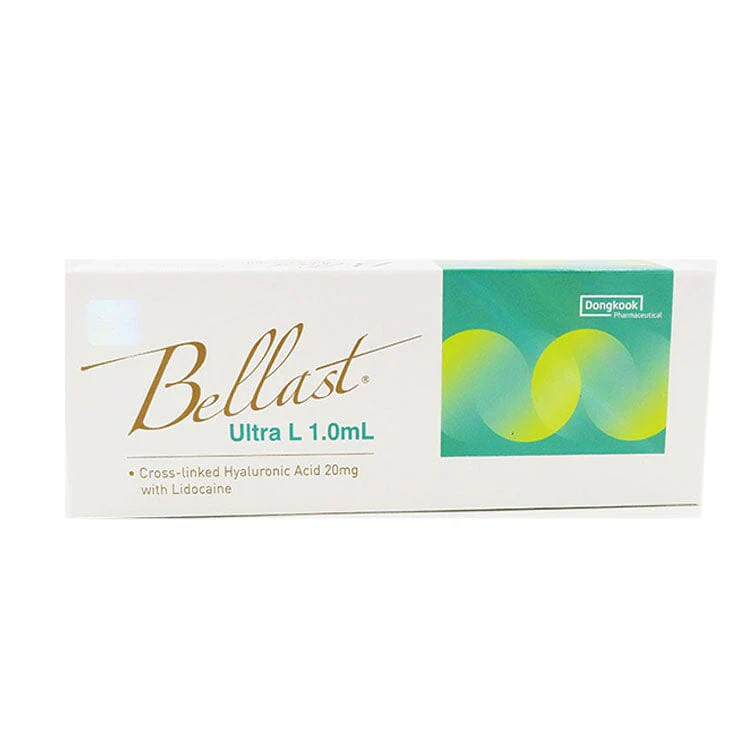
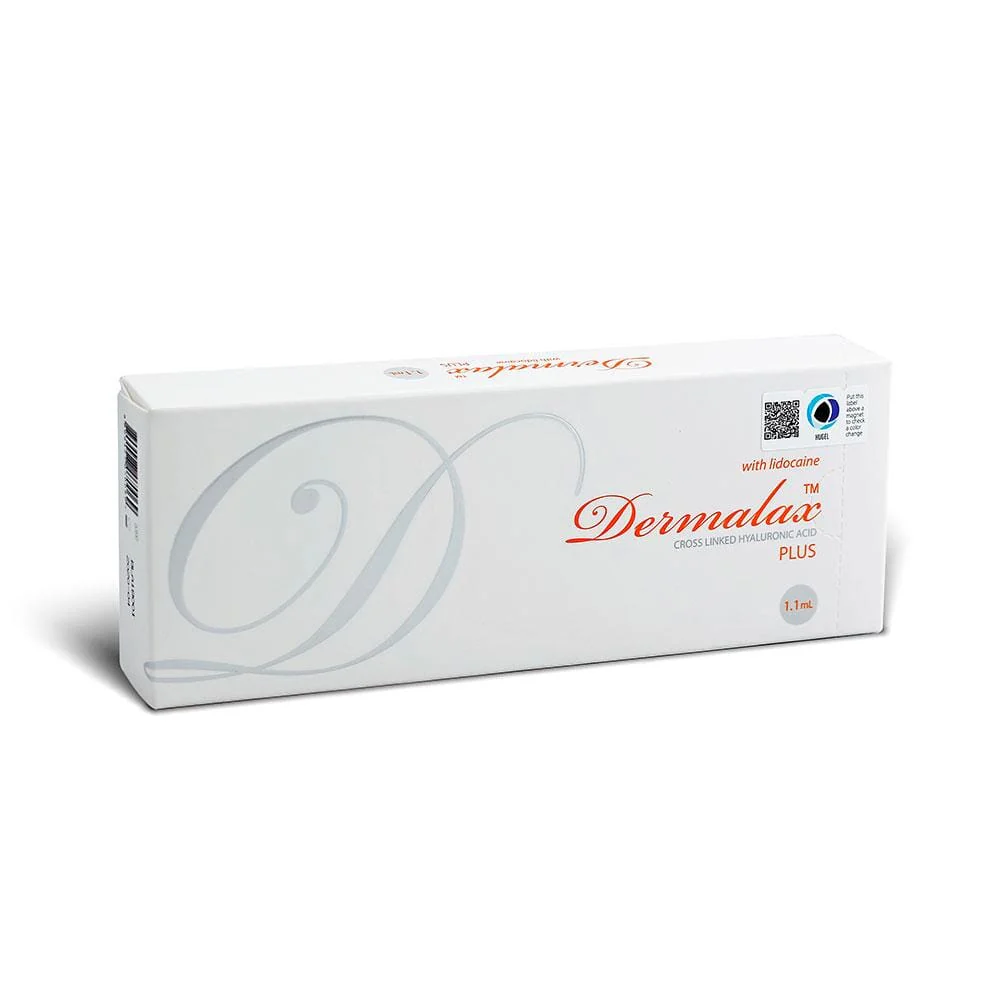
Amount: 1.1ml*1
Location: Korea
Shipping: Globally ( International)
Disclaimer:
Bruno Dermal Filler products are strictly intended for use by licensed medical and aesthetic professionals. Not suitable for self-administration or use by untrained individuals.
More Images
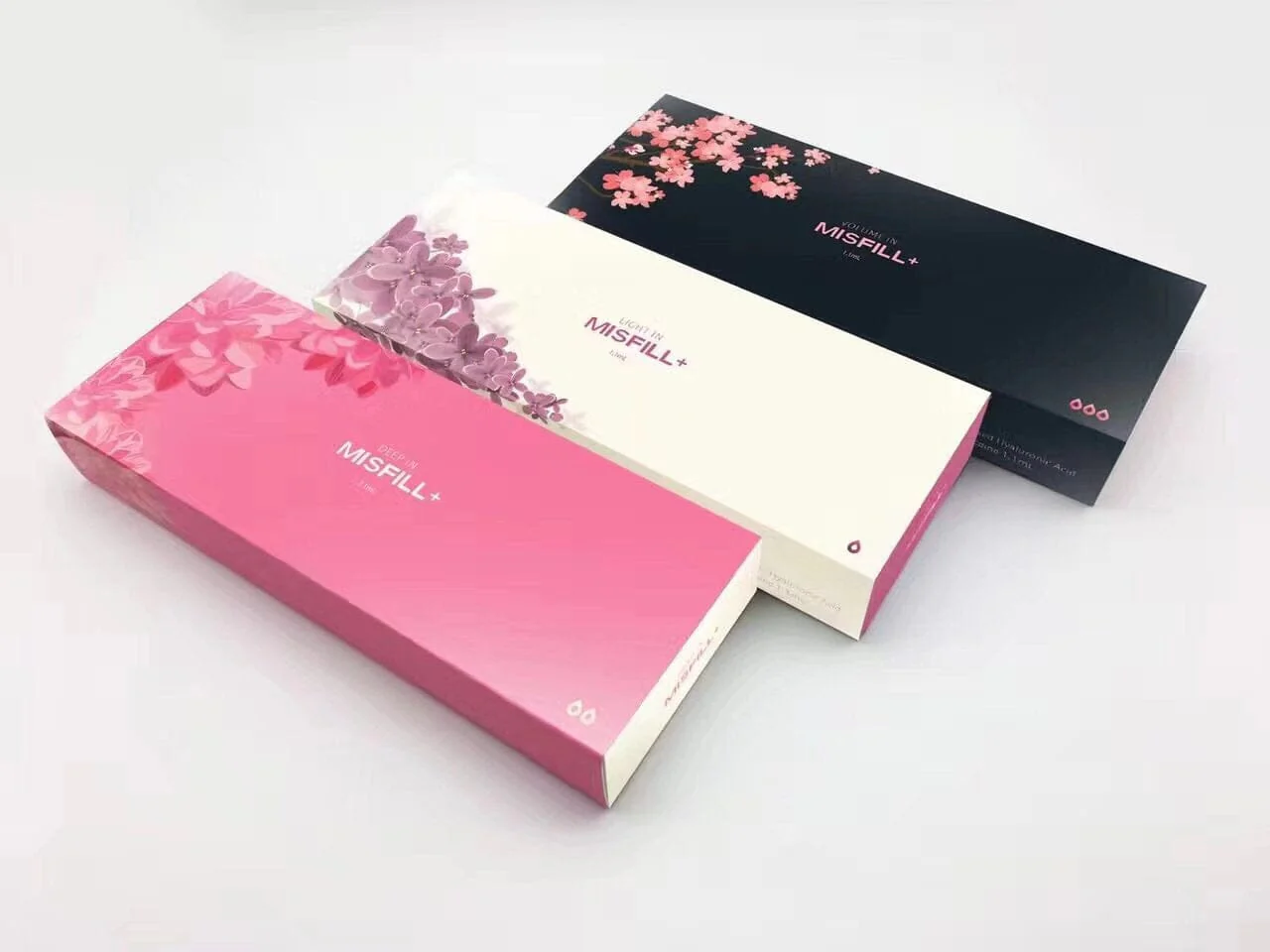
MISFILL VOLUME
MISfill volume can be defined as the difference between the intended fill volume and the actual fill volume. It can occur due to various reasons such as equipment malfunction, human error, or inconsistencies in material properties. For example, if a bottle is supposed to contain 500 mL of liquid but only contains 480 mL after filling, the MISfill volume would be 20 mL.
Step 2: Importance of Measuring MISfill Volume
Measuring MISfill volume is crucial for several reasons:
-
Quality Control: Ensuring that products meet specified fill volumes is essential for maintaining quality standards. Underfilled products may lead to customer dissatisfaction and potential legal issues.
-
Regulatory Compliance: Many industries are subject to regulations that mandate accurate labeling and filling practices. Non-compliance can result in fines or product recalls.
-
Cost Efficiency: Understanding and minimizing MISfill volumes can lead to reduced waste and improved profitability by optimizing material usage.
Step 3: Methods for Measuring MISfill Volume
There are several methods used to measure MISfill volume:
-
Weight Measurement: By weighing filled containers before and after filling, manufacturers can calculate the actual fill volume based on the density of the liquid.
-
Volume Measurement Devices: Automated systems equipped with flow meters or level sensors can provide real-time data on fill volumes during production.
-
Sampling Techniques: Random sampling of filled containers allows for statistical analysis of fill volumes across a production batch.
Step 4: Strategies for Reducing MISfill Volume
To minimize MISfill volumes, companies may implement several strategies:
-
Regular Equipment Maintenance: Ensuring that filling machines are regularly serviced can prevent malfunctions that lead to incorrect fills.
-
Employee Training: Proper staff training involved in the filling process helps reduce human errors that contribute to misfills.
-
Process Optimization: Analyzing and refining filling processes through techniques like Six Sigma can help identify inefficiencies leading to misfills.
-
Use of Technology: Implementing advanced technologies such as automated filling systems with feedback loops can enhance accuracy in dispensing liquids.
Amount: 1.1ml*1
Location: Korea
Shipping: Globally ( International)
Disclaimer:
Bruno Dermal Filler products are strictly intended for use by licensed medical and aesthetic professionals. Not suitable for self-administration or use by untrained individuals.
Product Information
Product Information
Shipping & Returns
Shipping & Returns
Description
MISfill volume can be defined as the difference between the intended fill volume and the actual fill volume. It can occur due to various reasons such as equipment malfunction, human error, or inconsistencies in material properties. For example, if a bottle is supposed to contain 500 mL of liquid but only contains 480 mL after filling, the MISfill volume would be 20 mL.
Step 2: Importance of Measuring MISfill Volume
Measuring MISfill volume is crucial for several reasons:
-
Quality Control: Ensuring that products meet specified fill volumes is essential for maintaining quality standards. Underfilled products may lead to customer dissatisfaction and potential legal issues.
-
Regulatory Compliance: Many industries are subject to regulations that mandate accurate labeling and filling practices. Non-compliance can result in fines or product recalls.
-
Cost Efficiency: Understanding and minimizing MISfill volumes can lead to reduced waste and improved profitability by optimizing material usage.
Step 3: Methods for Measuring MISfill Volume
There are several methods used to measure MISfill volume:
-
Weight Measurement: By weighing filled containers before and after filling, manufacturers can calculate the actual fill volume based on the density of the liquid.
-
Volume Measurement Devices: Automated systems equipped with flow meters or level sensors can provide real-time data on fill volumes during production.
-
Sampling Techniques: Random sampling of filled containers allows for statistical analysis of fill volumes across a production batch.
Step 4: Strategies for Reducing MISfill Volume
To minimize MISfill volumes, companies may implement several strategies:
-
Regular Equipment Maintenance: Ensuring that filling machines are regularly serviced can prevent malfunctions that lead to incorrect fills.
-
Employee Training: Proper staff training involved in the filling process helps reduce human errors that contribute to misfills.
-
Process Optimization: Analyzing and refining filling processes through techniques like Six Sigma can help identify inefficiencies leading to misfills.
-
Use of Technology: Implementing advanced technologies such as automated filling systems with feedback loops can enhance accuracy in dispensing liquids.
Amount: 1.1ml*1
Location: Korea
Shipping: Globally ( International)
Disclaimer:
Bruno Dermal Filler products are strictly intended for use by licensed medical and aesthetic professionals. Not suitable for self-administration or use by untrained individuals.